

When the Judge Left Without a Word
The Tension You Could Cut With a Knife
Even before speaking began, the air carried weight. Heavy silence filled the room – tight muscles, held breaths showed how nerves stretched thin. Not one loud noise broke through. Shouting stayed absent. Stillness ruled, yet everyone sensed imbalance creeping close. A shift waited just behind calm surfaces.
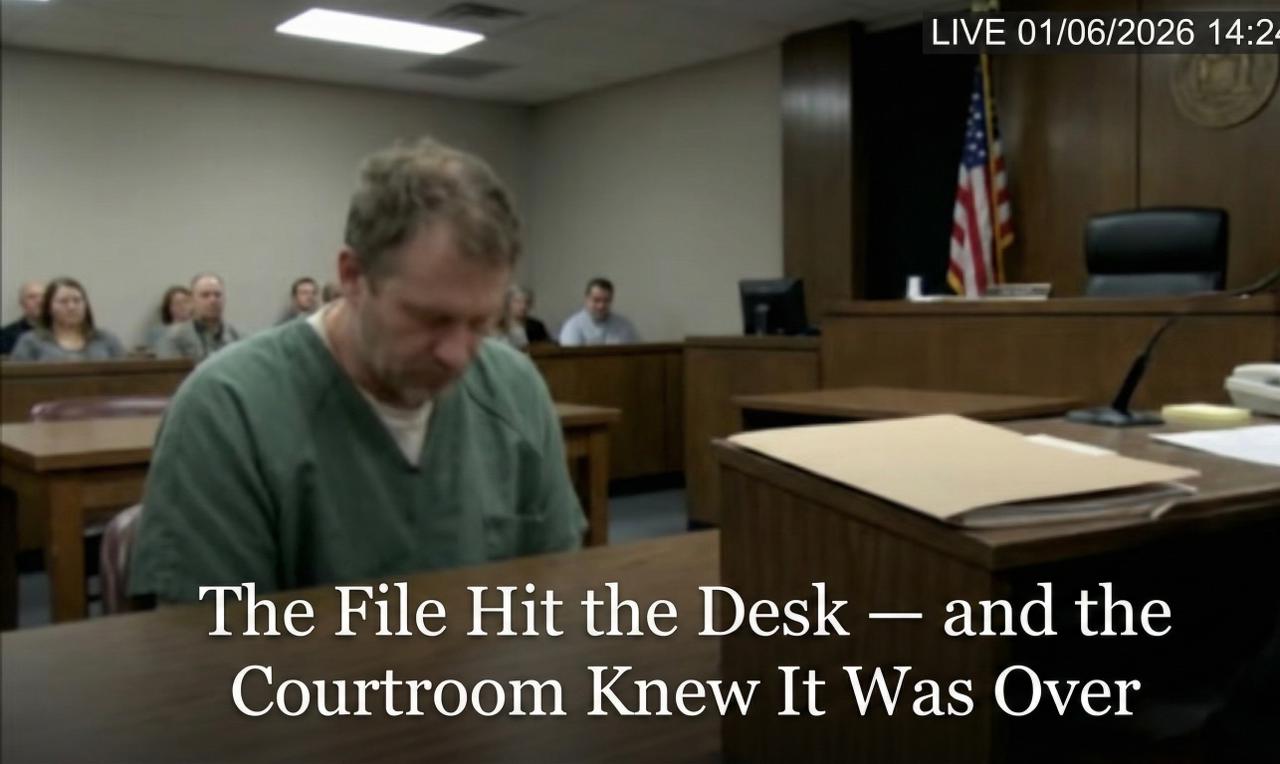
On the screen, the man wore a plain green outfit. His stance was straight, head lifted just enough to seem bold – or stubborn. In the rows behind, people stayed quiet. A few bent closer, trying to catch every detail. Not everyone could watch what came next.
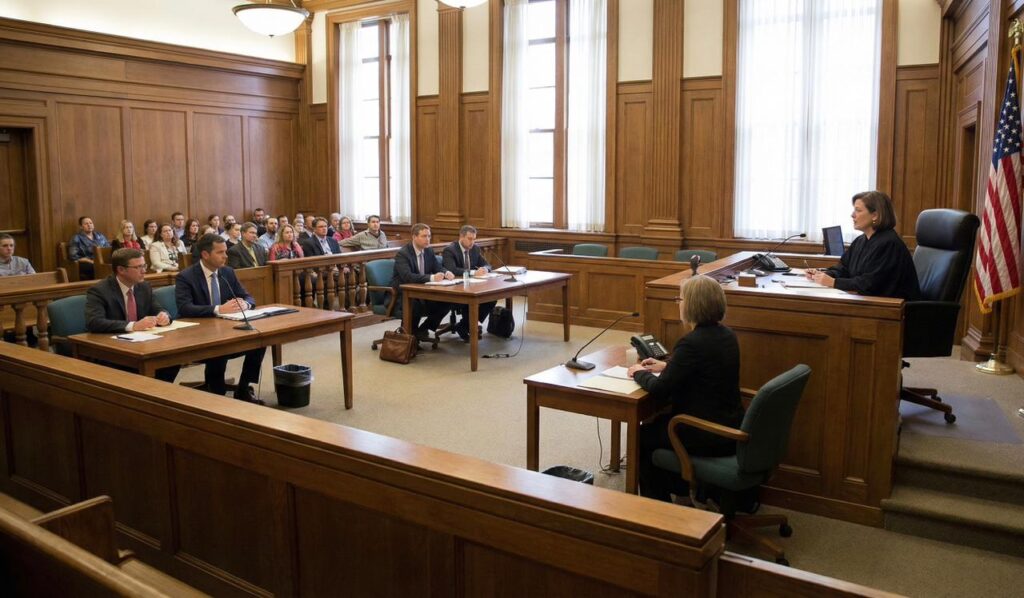
Papers rustled under the judge’s fingers as he moved them across the wood. One by one. Without a word. Just that kept the room stiff with silence.
Slow Judges Create Uncertainty
Most folks miss this: when judges hurry, they follow patterns. Yet those who pause? Unpredictable. A judge’s speed hints at what lies ahead – slowness means weighing outcomes carefully.
This judge wore a face drained from long days watching history loop itself again. Yet those eyes – oh, they stayed keen. Watchful. Every story he’d sat through, each act people tried – they didn’t surprise him anymore. Familiar ground, all of it.
Yet this hearing carried a weight unlike before. As if stepping near a boundary meant to stay untouched.
The First Mistake
A voice broke the silence. Quiet it was. Calm too. Almost relaxed. Way too relaxed.
What mattered wasn’t his words – but the way they landed. Like the court meant less than a traffic delay, dismissed in a breath. Silence came from his lawyer at his side – no pushback, no correction, only stillness. The weight sat heavy, not in speech but in manner.
A shadow passed across her face then. That moment started it all.
The pages fell still beneath his fingers. Silence rushed in like a held breath finally released. Everything inside those four walls shifted without warning.
The eyes of the accused lifted toward the ceiling.
A cold edge cut through his words when he spoke. Not okay, that conduct – so stated the judge.
The hush carried weight. No raised voice required. Sharp, those words moved across the room. Every person inside froze in place. A shift happened near the rear – posture changed. Silence hung while choices flickered behind tired eyes.
The Wrong Choice
He chose poorly.
That reply sounded guarded. Not needed. Rude, really. It just spilled out that way.
A muscle near his cheek twitched. Clearly, tension was rising – that calm slowly slipping away.
Not a trace of respect shown here, the judge remarked, tone lifting just above calm. Not fury – just tiredness. The kind that settles in after offering chance after chance, each one tossed aside like yesterday’s news.
That paper in the judge’s grasp turned into what everyone watched. All gazes fixed on it without a word.
Up he raised it, just a bit – no warning meant, only a sign. Done now. Talking had ended.
Five Words That Changed Everything
“I am done with this circus.”
Out of nowhere, a noise. Tiny, yet ending everything. It crushed more than silence ever could.
THUD.
A hush followed when the folder clicked shut – not harshly, yet with clear intent. That small snap of pages brushing together stretched out, louder than expected. Silence took over after.
Stopped still on the display, the accused stood motionless.
Down went the courage, gone in a breath. Shoulders caved inward like old walls. The floor caught his stare, heavy and slow. Not one bit of this matched what he’d imagined. Out of sync, every piece.
When a Judge Leaves
The man in robes slid his seat backward before rising. His garment got straightened, slow and exact. Not once did he glance toward the accused after that. Off he went from the stand, steps firm, eyes forward.
Stillness filled the room instead of a gavel’s crack. Words hung quiet where proclamations might have been. Ritual stayed absent, left at the door like an old coat.
Just an exit.
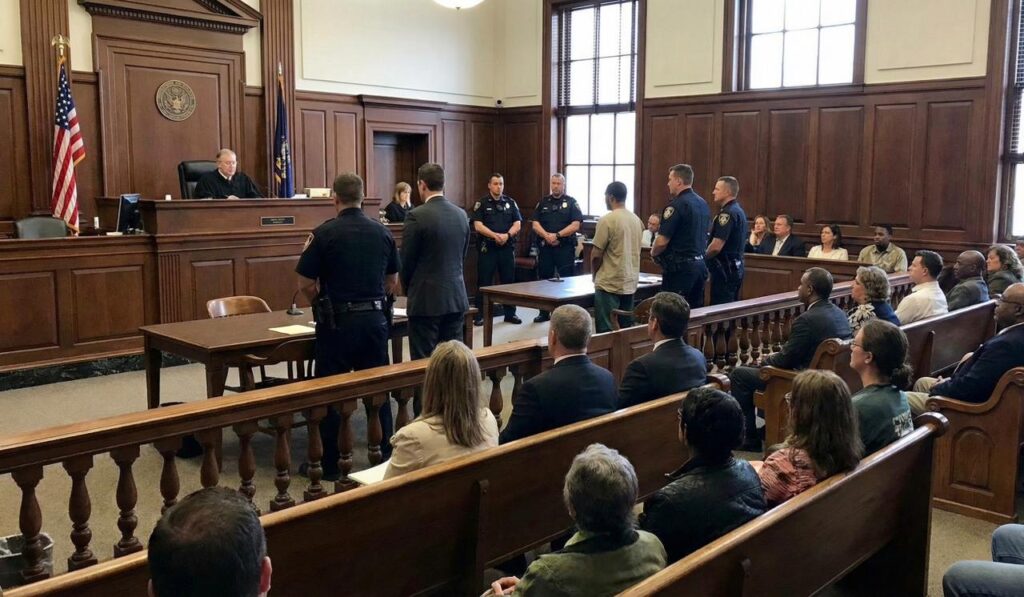
Silence sat thick when the judge stood. No one moved after they walked out – no sighs, no shifting in seats. Usually a room breathes louder at moments like that. This time it held its breath. Empty air pressed down harder than any verdict ever could.
The Moment You See Things Clearly
Down he went, settling into the seat. Without a word against it. No outburst either. Simply still, like something inside gave way. Knees took the weight of his palms. Eyes stayed fixed on the floor.
Frozen in place, the group at his back stared blankly, caught between wondering if what unfolded was merely a closing argument or the first sign of deeper trouble.
Still nothing. The chair stayed bare on purpose, a quiet statement in its absence.
Why This Outweighs a Verdict
Buildings of justice rely on order. Silence after chaos tells more than rulings ever could. Not one moment focused on penalties. What mattered were limits.
This moment stuck around in conversation long after it happened. Years passed, yet folks still questioned if the judge went too far. Some wondered if the person on trial ought to have gotten a fresh start. Others weren’t sure the response fit what had occurred.
Yet these arguments took place beyond the courthouse doors.
That courtroom held the lesson long before anyone spoke.
The worst punishment comes later
Most folks miss this truth: bad actions aren’t always met with quick consequences. Often they bring something heavier – doubt creeps in instead. You’re stuck there, guessing when – or if – the fallout arrives. Power slips through your fingers like sand. What happens now? Nobody tells you.
This is how it went down. What you see matches that moment.
A realization hit him – he should’ve said nothing at all. With a slow motion, the attorney shut his notebook, mind shifting toward what comes next. Not one person in the row stood up. The room held its breath while power chose exit over argument.
How It Ended
Silence followed. Not raised voices, just a quiet step back. What closed it was retreat, not conflict. No outbursts marked the finish – only absence. Instead of noise, there came removal. It slipped away rather than exploded. Departure had the last word. Not fury, but fading defined the close. A pullback sealed everything.
Somehow, it stuck because of that.
Silence fills the room when the judge leaves. Not a word is spoken. Stillness takes over, slow and steady. Empty space speaks louder than noise ever could. Power shows itself by stepping away. The bench stays cold long after footsteps fade. Presence matters most when it’s gone.
Still shut, the file refused to open. Nobody sat on the bench, just silence there. Long past when screens turned black, that message kept hanging around.
Lessons From This
Right here, a quiet lesson takes shape – how we treat power shapes how others see us. Moments like this show more than rules ever could
1. Respect isn’t optional in certain spaces
Quiet spaces begin with quiet minds. Where laws are weighed, lessons shared, places where bodies mend – respect forms the ground beneath each step. Not pride, but purpose holds things together. Without it, balance slips, fairness fades, trust frays at the edges.
2. Matters how you say it just as much as what you say
Words matter. Yet their delivery sometimes matters more. A slip of rudeness during serious moments hints at unawareness. People notice when tone misses the moment.
3. Silence can be more powerful than speech
Out of nowhere, the courtroom fell silent. Not a shout came from him, nor did warnings about consequences fill the air. What happened? He walked away without a word. In that stillness, his absence shouted louder than any threat ever could.
4. Fate rarely hands out do-overs
A single moment can change everything. Lose respect, trust crumbles faster each time you try to fix it. Second chances? They might never arrive.
5. Just because someone’s in charge doesn’t mean they answer to everyone every time
Leaving without a word, the judge made his move. Defense of the choice? Not offered. Action spoke first. Authority like that never asks for approval.
The Broader Context
A single scene inside a court building cuts through the noise of daily rudeness. When voices rise on planes or shoppers snap at cashiers, order fades fast. Yet here, silence holds weight. A glance, a pause, even breath matters. Rules sit unseen but felt. Respect isn’t asked – it arrives on its own.
Fooling around cost him more than he thought it would. What could’ve moved smoothly under basic respect turned into proof of how badly things fail when someone ignores the mood.
The Empty Bench
A single bench sits there, bare. What lingers isn’t spectacle – it’s stillness. This quiet spot means more than noise ever could
- Power shows up quietly. It moves without announcements. Confidence lives in silence. Strength speaks through stillness. Presence replaces proof. Action outshines words. Weight settles without noise. Being matters more than showing
- Respect that’s expected, not negotiated
- Consequences that come from simple actions
- The power of knowing when to disengage
Control stayed firm even when the judge left. It wasn’t presence that held power – it was leaving.
Final Thoughts
This tale begins not with a person but with a moment. What matters here is how things unfold quietly before they break. A single choice can shift everything, especially when silence speaks louder than words. Watch closely where people stand, not just what they say. Truth often hides in the space between actions. Realizing you’re close to slipping comes only if you’ve been paying attention.
Here lies a line – thin, often missed – where boldness tips into pushiness. Sometimes silence speaks louder than words ever could. A pause can carry more weight than any opinion tossed out too soon. Respect shows up not just in what you say but whether you listen first.
Beyond anything else, picture this: inside courtrooms – just like out on the streets – one wrong step might be the only one you make. A line drawn in the sand won’t always come with a shout before it’s broken.
A quiet moment arrives when the folder shuts tight, seat left bare. Then it hits – no fanfare, just stillness where motion once lived.
Every now and then, that turns out to be just what had to be shown.
The Bottom Line:
Holding back isn’t always about being scared. Sometimes it comes down to seeing when a moment, a place, or another person needs you to act differently – less because someone insists, more because things just work that way. That idea slipped past the defendant. What followed made sure others noticed. Maybe keeping that in mind wouldn’t hurt anyone.