
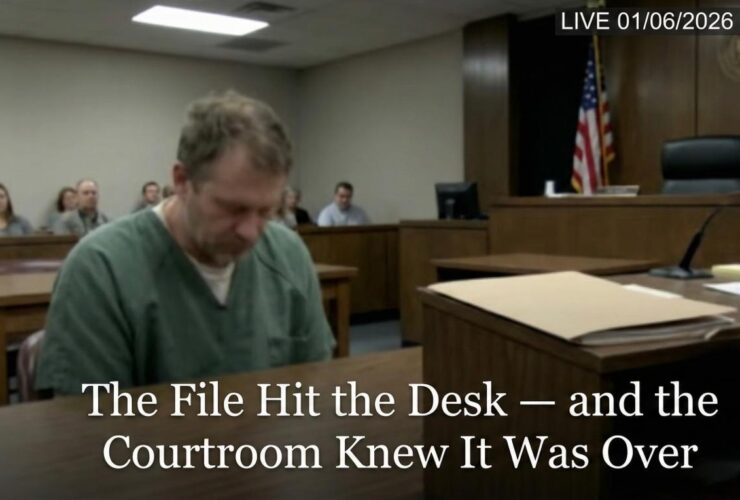
When the Judge Left Without a Word The Tension You Could Cut With a Knife Even before speaking began, the air carried weight. Heavy silence filled the room – tight muscles, held breaths showed how nerves stretched thin. Not one loud noise broke through. Shouting stayed absent. Stillness ruled, yet everyone sensed imbalance creeping close. A shift waited just behind calm surfaces. On the screen, the man wore a plain green outfit. His stance was straight, head lifted just enough to seem bold – or stubborn. In the rows behind, people stayed quiet. A few bent closer, trying to catch every detail. Not everyone could watch what came next. Papers rustled under the judge’s fingers as he moved them across the wood. One by one. Without a word. Just that kept the room stiff with silence. Slow Judges Create Uncertainty Most folks miss this: when judges hurry, they follow patterns. Yet those who pause? Unpredictable. A judge’s speed hints at what lies ahead – slowness means weighing outcomes carefully. This judge wore a face drained from long days watching history loop itself again. Yet those eyes – oh, they stayed keen. Watchful. Every story he’d sat through, each act people tried – they didn’t surprise him anymore. Familiar ground, all of it. Yet this hearing carried a weight unlike before. As if stepping near a boundary meant to stay untouched. The First Mistake A voice broke the silence. Quiet it was. Calm too. Almost relaxed. Way too relaxed. What mattered wasn’t his words – but the way they landed. Like the court meant less than a traffic delay, dismissed in a breath. Silence came from his lawyer at his side – no pushback, no correction, only stillness. The weight sat heavy, not in speech but in manner. A shadow passed across her face then. That moment started it all. The pages fell still beneath his fingers. Silence rushed in like a held breath finally released. Everything inside those four walls shifted without warning. The eyes of the accused lifted toward the ceiling. ...
People believe they know what the U.S. Courtroom system is like because they have seen it on television. You see lawyers yelling at each other and judges banging their gavels. The U.S. Courtroom system is always so dramatic on TV.. ...
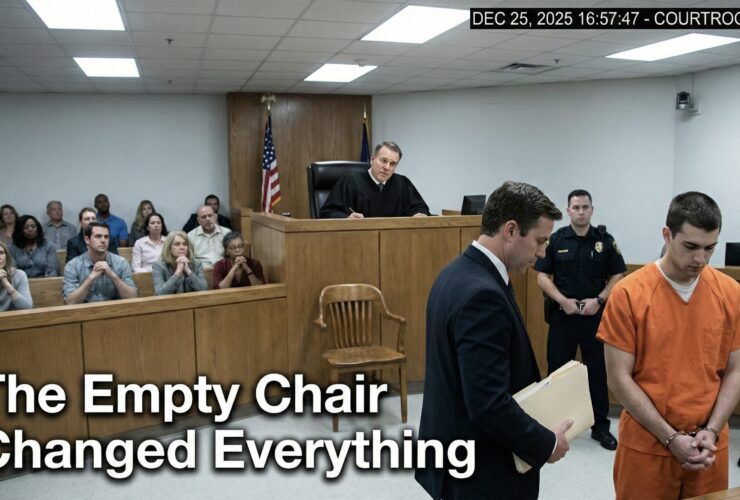
Courtrooms are always crowded even when nobody is talking. People are sitting close to each other the lawyers are standing there with their files the police are watching everything and the judge is, in charge.. That day was not the ...
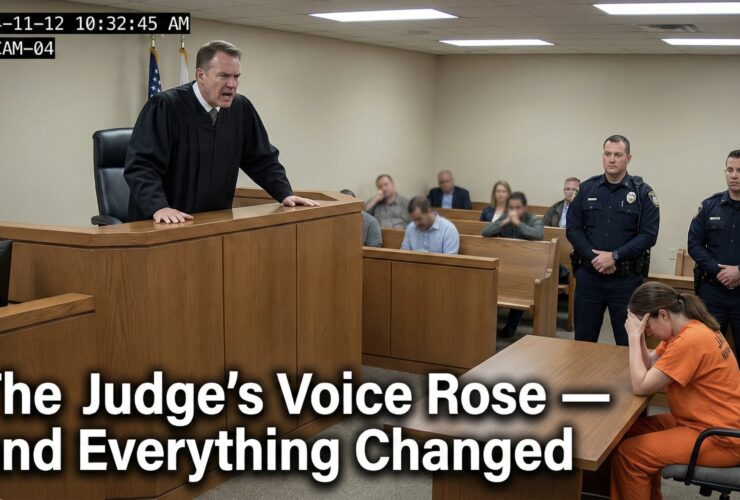
Courtrooms have a strange kind of silence. Even when someone is speaking, there is still pressure in the air. People sit straight, breathe carefully, and avoid eye contact. That day felt heavy from the beginning. Nothing dramatic had happened yet, ...

Courtrooms usually run on rules, silence, and control. Everyone knows their place. The judge speaks, others listen. Lawyers argue, but within limits. Criminals stand quietly. Police stay alert. That balance is what keeps order in a room where decisions can ...
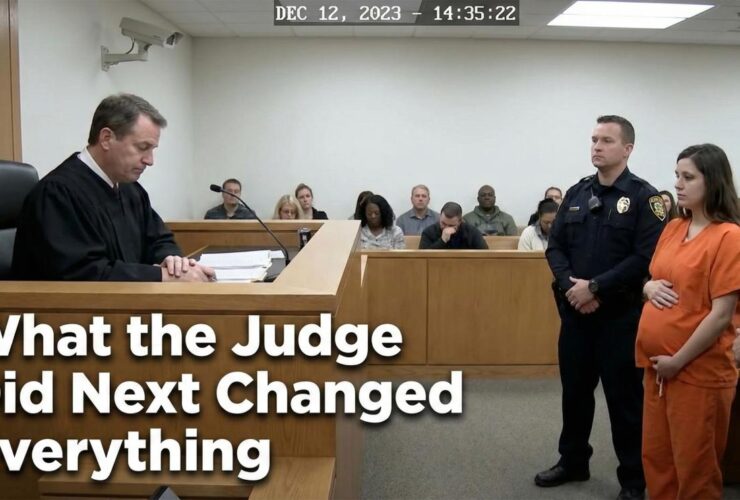
Courtrooms are usually remembered for tension. Loud voices. Arguments that don’t seem to end. Moments where authority feels heavy and cold. That’s what most people expect when they sit on a hard wooden bench and wait for a judge to ...

It didn’t feel like a dramatic moment at first. The courtroom had already been tense for a while. People were listening, waiting, watching. The judge was still seated, but her irritation was clear even before she said anything. Her lips ...