


Woman Weeps in Court Over Theft
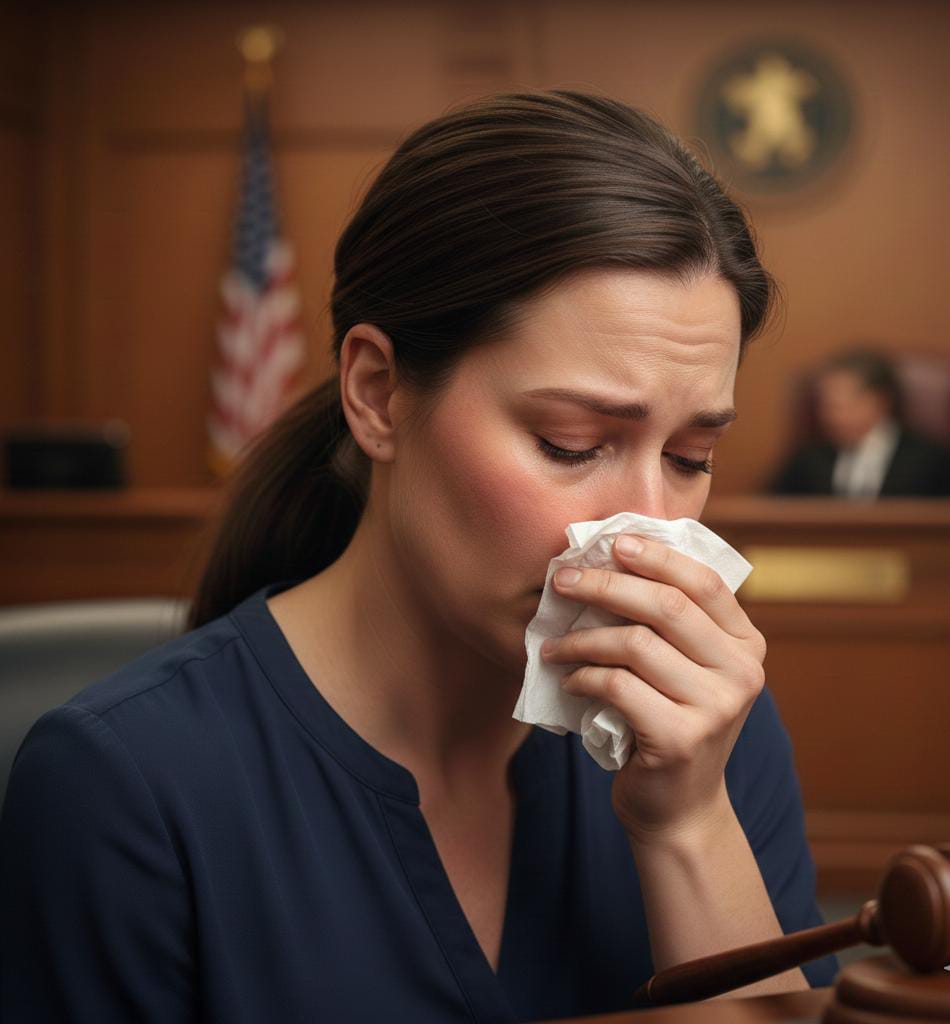
A single tear rolled down her cheek while the gavel waited silently on the bench, this act more sound than speech. She spoke not of excuses but choices, each word heavy under fluorescent lights. Not because laws demand it, but because something inside had shifted, she asked forgiveness. Reactions rippled through observers – some stiffened, others softened – all feeling the pull of uncertainty. Justice here did not shout; instead, it paused long enough for honesty to find its voice.
The Courtroom Atmosphere
A hush arrived as he stood up, replacing the usual rustle of documents, low attorney chats, the steady drone of ceiling lights still buzzing above. The space changed without warning – no longer just another session, now something else entirely.
Facing forward, she stayed by the wooden table, clothes chosen careful for where she was, like someone aware how serious it all felt. Not calm like others try to look when they’re accused, her face showed what she carried inside. Tears had marked her skin, breath came in fits, each pause between gasps heavier than the last. The way she held herself did not hide anything – regret sat deep in her shoulders.
A Heartfelt Apology
Out of nowhere, those initial syllables hung in the air – just two small words, heavy beyond their weight. Shaking filled her voice, trembling through each sound as if it carried more than speech. This wasn’t some rehearsed line shaped by lawyers behind closed doors. It came straight from something real, unpolished, raw beneath the surface. Regret poured out, not because rules demanded it, but because she felt it deep where silence lives.
Wiping tears, she took a breath. Right then, a quiet vow slipped out – no more taking what wasn’t hers. A small nod followed, slow and heavy. Shame curled around her past actions, yet something firmer pushed through. Change had started, whether steady or unsure.
Not once did it feel like a scripted moment on some legal TV show. Without grand hand movements or drawn-out explanations about reasons or blame, things stayed quiet. A simple admission came forward – this was wrong – and with it, a promise changed course. Real ownership showed up quietly, the sort courts rarely see but always aim for.
The Weight of Silence
She spoke, then looked down. Quiet filled the room while she stayed on her feet, air shaky in her lungs, letting what she said sink in along with where that left her now. Stillness like that does something – makes space for thought, for feeling it, maybe even change starting.
A single word can weigh more than a speech full of reasons. Courts often hear long replies – excuses stretched thin across minutes of talking. She chose silence instead of defense, stood still when others would have argued. Her quietness said what words rarely do: I did it. No blaming outside forces, no twisting facts to fit comfort. Truth lands differently when it arrives alone, unshaded by explanation. Most people hide behind details. She let the act stand bare.
The Judge’s Response
A murmur rose from beyond the frame, steady but soft – a reply shaped by years on the bench. Good, it started, meeting the defendant’s words head-on. What matters is seeing where things went wrong
A moment of silence passed before the judge spoke once more. Not loud, yet firm came the instruction: “See that it doesn’t happen again.” The voice held no anger, still the message pressed down like gravity. It was part caution, part quiet belief – proof someone thought she might choose better next time.
What stood out was how the ruling leaned into fairness, showing consequences matter less than learning from them sometimes. Seeing she grasped what went wrong, plus urging her to do better next time, revealed a courtroom moment where change mattered more than blame. Growth, after all, rarely fits inside strict rules – yet here, it had space to breathe.
Understanding Theft
Fingers slip into pockets, swiping wallets not theirs – that counts as theft when someone means to keep what belongs to another. This act strikes homes, shops, workplaces, dragging down bank accounts, stirring worry, chipping away at how people rely on one another.
Stealing happens when money runs out, cravings take over, choices go wrong, yet occasionally just because a chance appears alongside shaky self-control. Since knowing why matters if we want to fix deeper problems, still that knowledge fails to wipe away guilt nor remove consequences waiting afterward.
What stands out here is not the act – sadly familiar – but how she reacted once caught. Facing consequences, she showed real regret. Her determination to do better mirrors what justice should aim for: fixing lives, not just handing down penalties.
The Way Back
A small movement of her head said everything. Not anger, not resistance. Just stillness. A recognition settling in – not only of what she had done but also of what comes after. The path ahead remained open, shaped by quieter decisions now.
Change can happen when someone truly decides to make it real. What helps? A few things matter most
Right away, she owned up to what happened – no deflecting, no justifying. Her choice to face it head-on showed real accountability.
What stood out was her reaction – shaky voice, downcast eyes – the kind that doesn’t feel staged. Not merely upset about consequences, she seemed aware of what it truly meant for others involved.
A shift in actions matters most of all. Should she truly mean it, her vow to stop stealing shows exactly that turning point.
What happens next matters most. In the weeks and months that unfold, her choices when things get tough will show what’s really changed.
The Broader Impact
A single second in that courtroom sticks. It shows how everyone carries flaws, yet still can shift course. Where someone stumbles does not seal their fate forever. Accountability matters, though so does seeing past one act to what a person might become. Systems function most fairly when they do both at once.
Healing sometimes begins when stolen-from people witness real regret, even if wounds remain. Safer streets often follow when those who broke laws learn new ways to live. A fresh start for someone who took what was not theirs usually starts by owning up to the act.
Lessons for Everyone
A single moment can echo much further than a judge’s decision. Her words showed how saying sorry, truly meaning it, changes everything. Instead of shifting fault elsewhere, she stayed steady. Most avoid owning up, hiding behind reasons or silence. Here, one person simply said: I did this. That honesty feels rare now.
Change is possible, even if it does not always stick. Just because some regret doesn’t last does not mean none of it matters – writing off every apology as fake makes it harder to see real shifts when they happen.
What stands out is how authority fits into the picture, along with what follows when rules are broken. A steady hand from the judge made clear that setting limits can go hand in hand with giving someone a chance to do right.
Moving Forward With Integrity
Anyone who’s messed up – which means every single one of us, at some point – might find something here worth holding onto. Facing what went wrong, deciding to do better, then actually doing it – that path stays open, no matter the past.
Mistakes leave deep marks. Staying clear of old traps means steady work, help from people around us, maybe even shifting how things run at home or work. Yet it kicks off small – like when she said those quiet words: I’m sorry… and I’ll stop

Final Thoughts and Learning Points
She cried while speaking in court. Yet the judge answered calmly. This shows justice does more than punish. It holds people responsible. At the same time it can discourage future harm. What stands out is how it may also help someone change. Balance matters when all these parts are seen.
One thing stands clear here – owning up to errors matters. Mistakes happen, yet truth begins with accepting blame, no shields, no deflections. Justice does not just hand out penalties; it opens doors to growth while keeping communities safe. Real turnaround often follows after someone admits fault, feels true regret, and acts differently moving forward. What kids learn early about telling the truth, even when hard, shapes how entire groups handle right and wrong later on. Who we become comes down to the decisions we make, yet there remains time to shift direction. Owning up when things go wrong, growing through what follows, sticking with efforts that bring improvement – these shape lives and lift others along the way.