
Five Years Later Justice Comes
The Quiet That Spoke Most
The air in the room sat still, heavier than sound ever could. Not the hush just before shouting begins, nor the gap waiting for sorrow to land. Instead, it arrived afterward – the quiet that follows a truth too firm to undo, a choice locked into place, one that bends every path ahead.
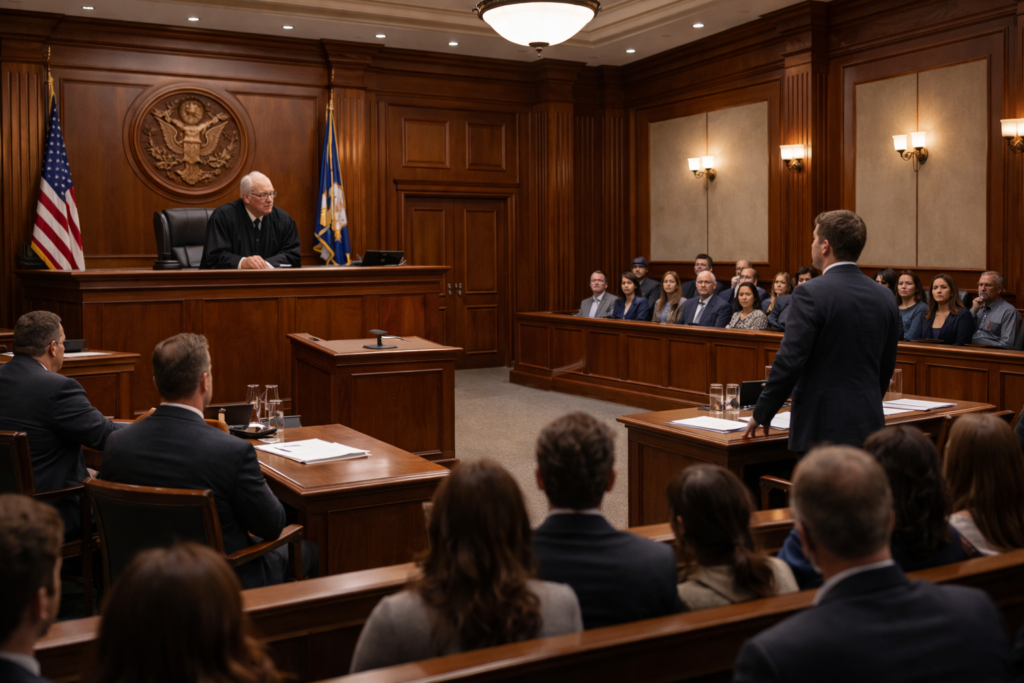
Silence sat heavy where wood should groan. Pages waited, still, across tabletops. Breath paused mid-air, thick and quiet.
There he was, Daniel Martinez, age thirty-four, planted at the defense table in a gray suit handed down by his sister just for today. The fabric sat stiff on his frame while tension pulled tight across his shoulders. Fingers locked together hard enough that the skin over his knuckles turned white. Before speaking a single word, his expression already said too much – drained, nervous, maybe even a flicker of hope tangled up beyond sorting out.
Five Years of Waiting
Half a decade. It clung to him like smoke in old clothes. In jail rooms where darkness dragged on without clocks. Court appearances piling up, each one pushed further into the future. Missed birthdays, missed dinners, silence where family noise should have been.
Waiting five years. Hopes stretched thin across days that led nowhere. Getting ready for things that might happen – though they always felt out of reach.
Shoulder touched by Rebecca Chen’s hand, he felt it – the quiet message passing between them. Her fingers rested there, steady. A lawyer standing close means something when the world watches. Not a word needed. Presence speaking louder than any argument she could make in court. Together they faced what came next.
Frozen in place, Judge Thomas Bradley remained seated after speaking the decision. Not a single person in the room reacted with shock. Silence held instead of outbursts. Each word he said settled like dust – calm, quiet, yet shifting the ground beneath.
Fair was how the court decided. Not kind. Not severe. Simply fair.
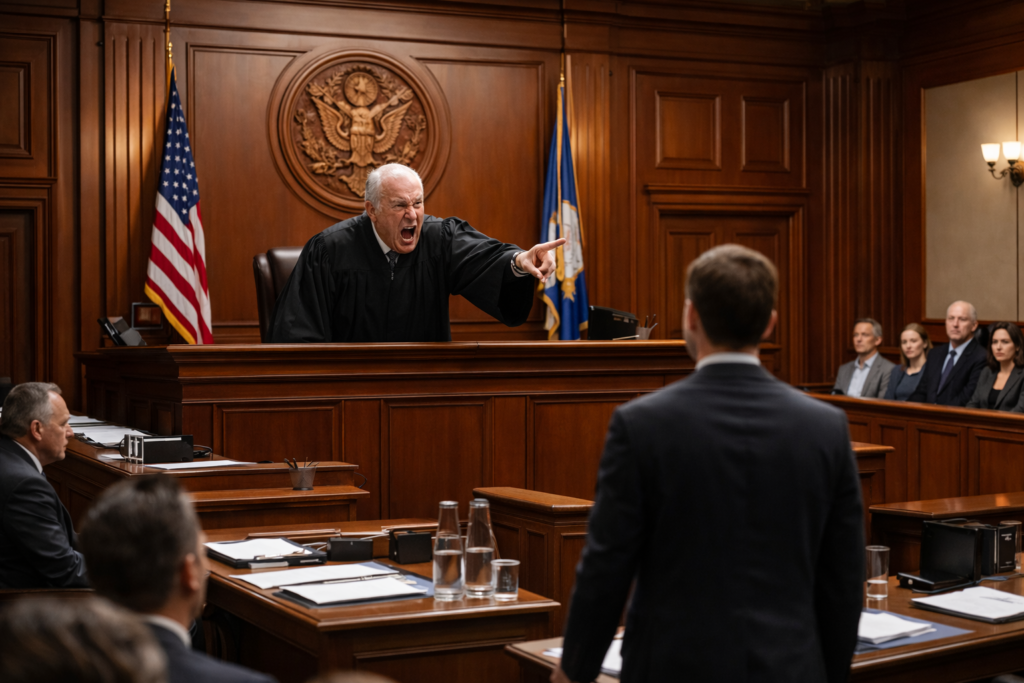
It wasn’t the anger, though – he cracked because things felt too fair.
Relief Arrives After Waiting
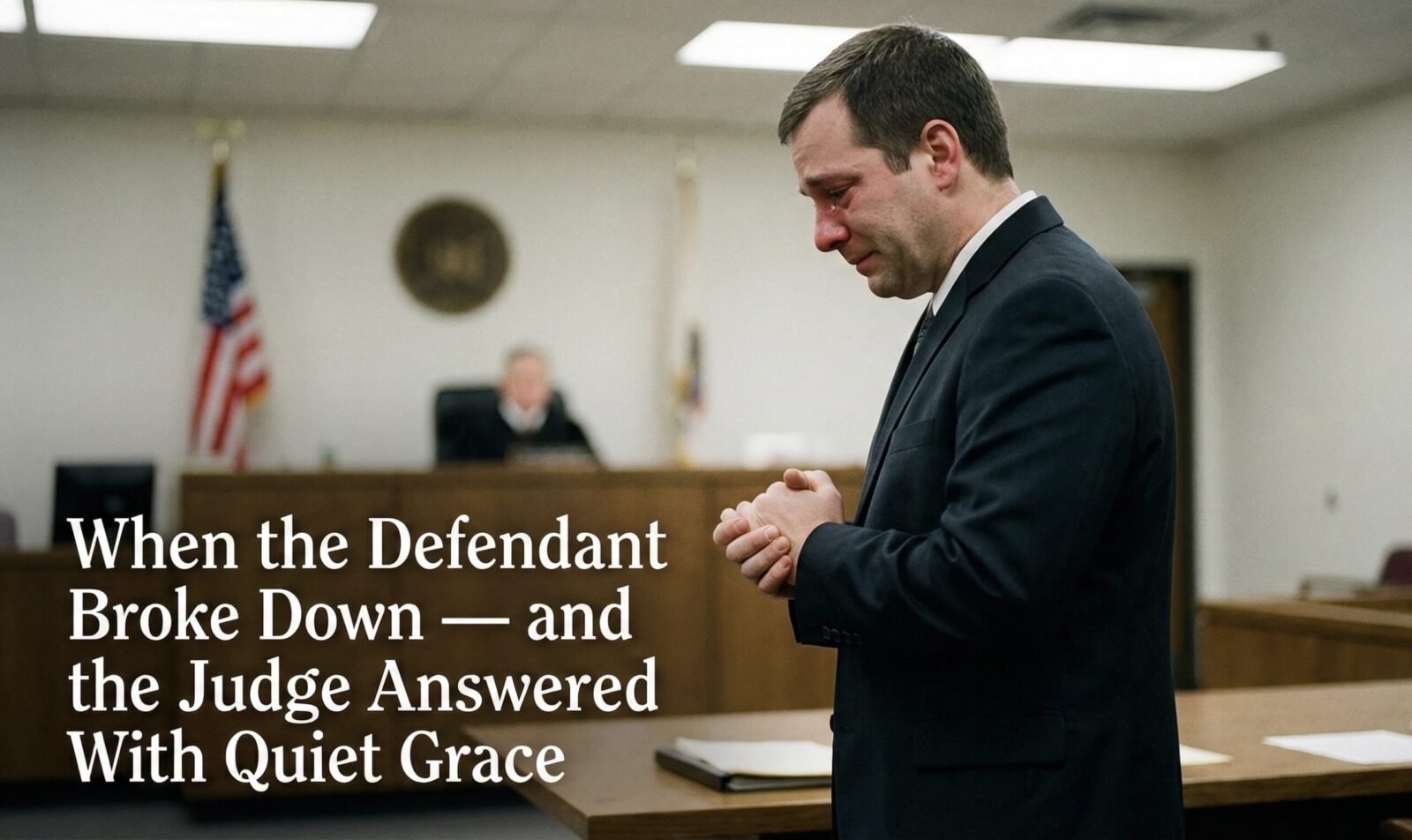
A gasp came before anything else. Tears followed, rising fast, spilling after years of waiting just beneath the surface. His fingers clutched the table’s edge, searching for balance while everything inside gave way without warning. The air pressed down heavier than expected.
Quiet tears started to fall – these were not the sort made for others to notice, rather those released once someone stops resisting what they have carried inside far too many days.
Stillness filled the room. Not a sound broke through. Silence held every person tight. A truth settled without words. This moment carried weight beyond show.
A quiet hush filled the room where Daniel’s sister Maria dabbed at her face with a crumpled tissue. Beside her, their mother stayed still – fingers folded tight, breath slow, relief seeping in like light through closed blinds after years of holding darkness inside.
A Simple Thank You
Up at the bench Daniel glanced, eyes hazy, words shaky. Not shouting, just speaking – soft, yet clear enough for those who needed to hear.
Fine, Your Honor,” came out unevenly.
A silence fell as he worked to steady his breath. His throat tightened before he could speak again.
“Thank you… for listening. And for being fair.”
Something about how those words came out made them stand apart from usual things said in courtrooms. They did not try to change what had happened before. Pity or mercy were left untouched, since both had been weighed enough already. What showed through instead was thanks – bare, honest, real in a way few moments are.
A light press on his shoulder came from Rebecca. For three years, she’d stood beside him in court, moving through delay after delay. Low moments he had, many of them, yet here it was – someone finally recognized the person behind the case file. Cold halls and rigid rules usually ignored such things, but today felt different.
When a Judge Responds
A silence settled, brief yet heavy. Though motionless, Judge Bradley made the air feel full. Eighteen years he’d sat there, listened to thanks of every kind. Yet this felt unlike any before. Not something practiced or expected. From somewhere deep – where fear and hope once waited together – it emerged, after five slow years.
Footsteps faded as Judge Bradley began to speak, his words steady, a quiet firmness in every syllable.
“Fairness is what this court owes everyone who stands before it.”
Quiet settled in his voice – no sharp edges, no soft pleading. Simply real.
A silence opened up, letting the weight of his words spread through the space.
“Use this moment to move forward, Mr. Martinez,” the judge continued. “What happens next is up to you. The court has given you an opportunity. What you do with it will define your future.”
Another deliberate pause.
“I wish you well.”
It ended there. Not a word too long. Nothing about do-overs. No talk of what might go wrong. Simply seeing Daniel, really seeing him – what he’s lived and what he could still become.
The Weight That Moved
A small nod came from Daniel, his gaze staying low. Breathing settled into something closer to normal. The crying eased, then ended. Inside, things were different now – nothing wiped away, far from fixed, yet seen at last, finally held as real.
A hush settled, shifting the room’s weight from verdicts to quieter truths. Not just fairness now, but care woven through it. Responsibility remained – still, softer edges appeared. One breath changed what stone walls allowed.
Still sitting, people in the gallery stayed quiet, eyes fixed on Daniel. A few wore gentle looks, minds drifting to past hardships and fresh starts they once needed. Ahead, some simply gazed forward, caught in private thoughts about what just happened. Silence stretched without anyone rushing to break it.
Justice As It Exists
This stayed far from the spotlight. Not a single bold move lit up the room. Silence replaced flashing lenses. A man spoke thanks to a judge for even treatment. The judge answered without noise, only warmth showing through.
Still, inside that courtroom, it meant something deeper. For Maria and her mom, relief settled in quiet waves. Rebecca had pushed through months of setbacks, each step heavy. The clerk at the back desk remembered stacking file after file, coffee gone cold. Even Judge Bradley, known for his reserve, let a rare nod slip – this one mattered.
Here’s what happens when time strips away the noise. Courts show their purpose, not only settling disputes yet standing for something deeper. Mistakes fade behind the weight of patience, struggles giving way to clarity. What feels lost reappears – fairness, quiet but firm. Lives hold value, simply because they do.
Moving Forward
When the hearing ended, Daniel stayed on his feet a moment more, pulling his thoughts together. His hands moved to his cheeks, brushing away what lingered there. The tie someone had lent him got tugged into place. Then air filled his lungs slowly, deeply.
He carried the same load – troubles waiting, duties piling up, days needing mending. Yet somehow it sat lighter today. That heavy fog of not knowing, clinging since back then, finally drifted off.
Folding the latch closed on her case, Rebecca offered just a hint of a grin. A quiet confidence sat in her voice when she told him it would be fine.
Into the courtroom stepped Maria, followed by her mother, moving toward the front. As Daniel turned, there she was – his mom rushing forward, arms wrapping around him, words of thanks spilling softly in Spanish.
“Five years, mijo,” she said. “Five years we waited for this day.”
“I know, Mama,” Daniel replied. “I know.”
The Quiet Strength of Being Fair
That afternoon, after everyone left Courtroom 3A, the feeling stayed behind. Dinner wouldn’t start until the bailiff shared what happened – he’d been at the courthouse a dozen years. Meanwhile, the court reporter tucked the memory away; she’d written down countless words before, but this stuck. Evenings like this didn’t come often.
A hush carried justice forward – no shouting, no spectacle. Not through force, but stillness it arrived. Human hands guided it, careful and close to the ground. Its presence spoke in pauses, not proclamations.
It was strong because of just that.
Truth sits quieter than punishment ever does. Fairness shows up when someone listens instead of decides. A person earns room to change once others see past mistakes into who stands there now.
The Bottom Line
Out came Daniel Martinez, changed. Not softer, not lighter – just altered. The court did not bend for him. It gave no favors. Still, it offered what mattered: a fair turn. That alone brought back a thing worn thin by years of sitting, waiting, wondering. Hope, quiet but there, reappeared.
Back in his office, Judge Bradley prepared for the following hearing. This moment stuck with him more than most. What stays with a judge isn’t authority or status – it’s those few times when a decision truly makes a difference.
Quiet moments can carry justice just as loud as shouts ever could. When rules bend slightly toward mercy, it shows the system remembers people exist inside it. Not every fix needs drama – some simply need recognition. What feels small might actually be everything.
What mattered most wasn’t triumph or proof after half a decade – just balance settling into place. When life often tilts unevenly, even small moments of rightness carry weight.